
Wholesale Energy Drinks for Importers: Red Bull, Monster and Prime Sourcing Checklist
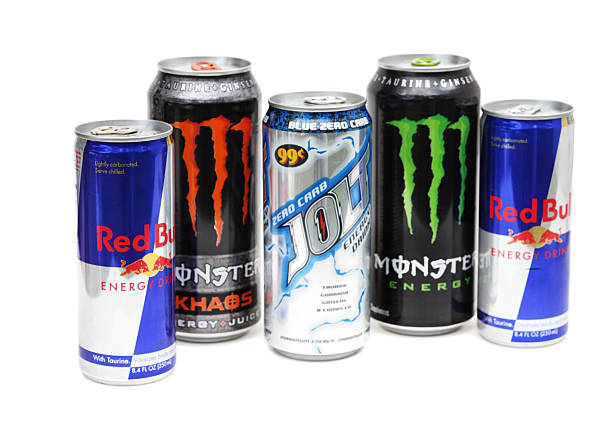
Wholesale energy drinks for importers
Buying wholesale energy drinks is not simply a matter of finding recognizable brands at an attractive case price. Importers must confirm product identity, market suitability, traceability, remaining shelf life and shipment specifications before committing to a purchase.
Red Bull, Monster and Prime require particular attention because brand names alone do not define a tradable product. Different formats, formulations, labeling languages and product lines can affect compliance, demand and landed cost.
For buyers sourcing through a wholesale FMCG supplier based in Portugal, the minimum order is 5 pallets. Product availability, commercial terms and any proposed pallet combination should be confirmed through a current quote.
Use this checklist to turn supplier offers into comparable, documented purchasing decisions.
Start with your destination market
Define the destination country and intended sales channel before requesting an offer. A product suitable for one market may require different labeling or additional checks elsewhere.
Retail chains, convenience stores, gyms, online sellers and foodservice distributors may also have different requirements for pack sizes, barcodes and remaining shelf life.
- Destination: Specify the country where the products will be imported and sold.
- Sales channel: Identify the customers or outlets you intend to supply.
- Import responsibility: Confirm who will act as importer and handle local compliance.
- Product restrictions: Check applicable rules concerning caffeine, ingredients, warnings and marketing.
Have a local customs broker or qualified regulatory adviser review uncertain requirements before you approve the purchase.
Define each SKU precisely
A useful wholesale inquiry describes the exact stock-keeping unit rather than asking only for a brand. Similar-looking products may have different recipes, pack configurations or market-specific labels.
Request the full product name, flavor, container size, packaging material, units per case and barcode. Include preferences for standard or sugar-free variants, but allow the supplier to identify which specifications can currently be quoted.
- SKU description: Record the exact product and variant requested.
- Consumer barcode: Request the EAN or GTIN associated with the individual unit.
- Case configuration: Confirm the number of saleable units in each outer case.
- Label market: Establish which market and language version the offer covers.
Keep these identifiers consistent across the quotation, order confirmation and receiving checklist.
Red Bull sourcing checks
For wholesale Red Bull, specify the required variant, can size and case arrangement. Do not assume that all offers described as original or sugar-free refer to identical packaging or market versions.
Ask whether the proposed goods carry multipack markings or other presentation features that could affect individual resale. Confirm the information shown on the actual cans and outer packaging.
Product photographs should show readable labels, barcode areas and date or lot markings. Generic catalogue images can help identify a product, but they are not sufficient evidence of the goods being offered.
Compare Red Bull quotations only after aligning the product specification, commercial terms and remaining shelf-life expectations.
Monster sourcing checks
For wholesale Monster, the exact range and flavor matter. The brand includes different product families, and an importer should not treat every item as an interchangeable energy drink.
Confirm the product designation, ingredient list, nutrition information and caffeine declaration for each proposed SKU. Avoid relying on a familiar can design to establish formulation or destination-market suitability.
A broader flavor assortment can help serve different customers, but it also increases the number of labels, barcodes and sales forecasts requiring review. Start with documented demand rather than accepting an assortment solely because it fills a pallet.
Request a separate specification line for every Monster variant included in the quote.
Prime sourcing checks
When requesting wholesale Prime, distinguish clearly between Prime Energy and Prime Hydration. They are different product lines and should not be treated as equivalent products for purchasing, compliance or merchandising.
Prime Energy is a caffeinated energy-drink line. Prime Hydration is positioned as a hydration beverage, not the same energy-drink product. Verify the actual label and formulation for the specific market version offered.
- Product line: State whether the inquiry concerns Energy, Hydration or separate quotations for both.
- Packaging: Confirm the container type, size and case configuration.
- Caffeine information: Review the declared content and any required warnings for the exact SKU.
Keep purchasing records and customer-facing descriptions precise to prevent category confusion.
Verify the supplier and supply chain
Recognizable packaging does not replace supplier due diligence. Check the seller's legal business details, invoicing information and payment instructions before sending funds.
Where appropriate, verify company and tax registration details through relevant official sources. Investigate discrepancies between the contracting entity, invoice issuer and bank beneficiary.
Ask what documentation can support the origin and traceability of the proposed goods. The available evidence should be reviewed alongside batch information and the physical product specification.
An independent wholesaler should not be assumed to be a manufacturer-appointed distributor. Likewise, genuine goods do not automatically establish that every proposed cross-border resale is permitted. Seek specialist advice where trademark or parallel-import questions arise.
Review labels before shipment
Obtain readable label images or artwork for the exact market version being purchased. Review mandatory information under the destination's rules rather than assuming a label used elsewhere will be accepted.
Relevant checks may include ingredients, nutrition information, net quantity, language, responsible business details, date markings and caffeine warnings. Packaging deposit or recycling requirements may also apply.
- Language: Confirm whether the existing label satisfies local requirements.
- Warnings: Check the applicable wording and presentation for caffeinated beverages.
- Responsible operator: Establish which business details must appear on the product.
- Additional labeling: Agree who will arrange, approve and pay for any lawful relabeling.
Do not rely on a sticker plan until its legal acceptability and practical execution have been confirmed.
Set shelf-life and batch requirements
Remaining shelf life affects resale opportunities, retailer acceptance and the risk of write-offs. Agree how much remaining shelf life you require and at what point it will be measured.
A requirement measured at dispatch is not equivalent to one measured at receipt. Allow for the planned transport, customs process, warehousing and onward distribution without assuming a guaranteed transit period.
Request the proposed date-code range and batch information before final approval. If the shipment may contain multiple batches, ask how they will be identified on the packing records.
Confirm that date markings are readable and that your warehouse can use first-expiry-first-out stock rotation.
Confirm pallet specifications
The minimum order is 5 pallets, so pallet-level information is essential for budgeting and warehouse planning. Do not assume a standard pallet contains the same quantity across brands or container sizes.
- Cases per pallet: Request the confirmed quantity for each SKU.
- Units per case: Verify the number of individual saleable containers.
- Pallet dimensions: Obtain the footprint and loaded height.
- Gross weight: Request the loaded weight needed for transport planning.
- Pallet construction: Confirm pallet type, wrapping and any handling restrictions.
Ask whether a mixed-SKU order can be quoted within the minimum order. Mixing availability, pallet configuration and any associated charges must be confirmed rather than assumed.
Calculate landed cost, not just purchase cost
A lower case price does not necessarily produce a better import margin. Compare quotations on a consistent basis and calculate the cost of getting saleable units into your warehouse.
Depending on the route and jurisdiction, the calculation may include freight, insurance, brokerage, duties, taxes, inspections, relabeling, packaging obligations and handling.
Separate recoverable taxes from costs that remain in the margin calculation, with guidance from your accountant. Include a reasonable internal allowance for damage and unsaleable stock based on your business's experience.
- Landed cost per unit: Divide the relevant total acquisition costs by the expected number of saleable units.
Request a current quote for pricing and terms; do not build a purchasing decision around an old offer.
Agree transport and customs responsibilities
A supplier's location in Portugal does not by itself determine the customs treatment of the goods or confirm that a particular destination can be served. Product status, origin, route and destination requirements all matter.
Ask for the proposed Incoterms rule, named place and version. Clarify responsibility for loading, transport, insurance, export formalities and import clearance where applicable.
Have your broker confirm tariff classification and required documentation. Do not select a customs code solely from a brand name or use dispatch country as a substitute for origin information.
Agree the commercial invoice and packing-list requirements before dispatch. Obtain destination-specific document advice rather than assuming one standard package works everywhere.
Control payment and acceptance risk
The order confirmation should identify the products, quantities, payment terms, agreed specifications and process for handling discrepancies. Record whether substitutions require your written approval.
Before payment, reconcile the quote with the beneficiary details and independently verify unexpected changes to payment instructions.
- Inspection: Agree what checks can take place before dispatch and upon receipt.
- Damage reporting: Establish the evidence and notification process for damaged goods.
- Quantity discrepancies: Define how shortages or incorrect SKUs will be documented.
- Claims: Record the applicable procedure and contractual deadlines.
Arrange appropriate cargo insurance where needed, and understand the relevant exclusions. Avoid assuming that every loss will be covered by either the seller or the carrier.
Prepare a quote-ready inquiry
A detailed inquiry reduces back-and-forth and makes competing offers easier to evaluate. Send your company details, destination, preferred brands, exact SKUs and intended order size.
Include your labeling-language requirements, minimum remaining shelf life, preferred collection or delivery arrangement and any documents your broker requires. State your target purchasing window without treating it as a confirmed delivery commitment.
Ask the supplier to identify any differences between your requested specification and the proposed offer. Resolve those differences before issuing the purchase order.
To discuss wholesale Red Bull, Monster or Prime sourcing through a Portugal-based FMCG supplier, email gfatradinglda@gmail.com or contact WhatsApp +351 927978979. The minimum order is 5 pallets. Send your requirements and request a current quote.